
Owner Involvement
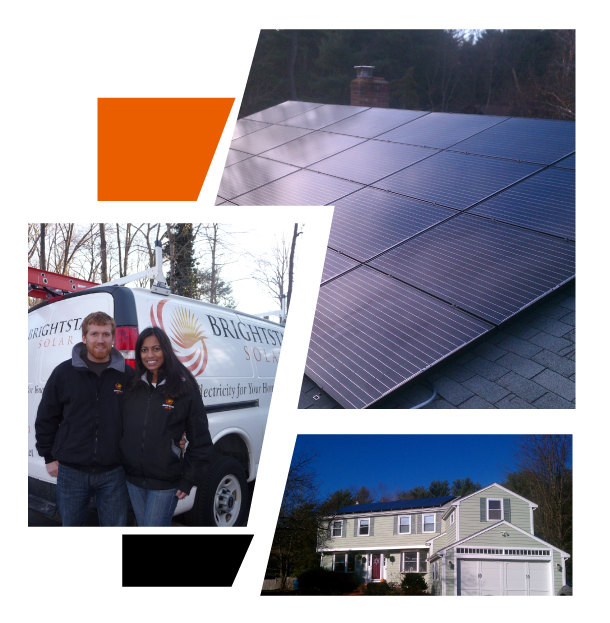
The owners manage the entire process from sales and design to construction.

Extensive Knowledge.
Founded in 2009, we have designed and installed 700+ solar systems.

Unmatched Post-Installation.
We want our customers' investments to outperform.

Low Pressure Sales.
We don't even have salespeople.


Joseph Papetti
18:56 23 Feb 24
Brighstar Solar completed an installation on our home in December and we could not say enough good things about the company, employees and finished product. From initial contact through powering on our system Jon and Mona made the process simple. They provided up front, accurate information and executed flawlessly on the plan. The construction crew provided neat and efficient installation and there were no surprises along the way. I would highly recommend Brighstar for anyone looking to add solar to their home!

Joanne Mulkey
18:35 16 Feb 24
Brightstar Solar's customer service, workmanship and attention to detail are excellent! Jon and Mona are amazing to work with and are available if we have any questions. We are completely satisfied with their solar installation and continued service highly recommending them to anyone!

L G
18:11 13 Feb 24
Very satisfied with everything from start to finish, great communication, smooth installation process - neat and tidy, aesthetically pleasing because that’s important too, able to accommodate our schedules for in home work and continue to be available for any questions - would highly recommend! Thank you Jon and Mona!

Brandon Tunney
14:50 01 Feb 24
We were very satisfied with Brightstar Solar's work. They took the time to explain in detail how our system worked and how exactly it would pay for itself quickly. They answered all of our questions, were extremely professional, and the work is of very high quality. I would not hesitate to recommend them if you are looking for solar.

William DOWD
01:23 30 Jan 24
Brightstar installed my solar panels 6 years ago and they did an excellent job. During those 6 years, I have had to reach out to them about things I wanted to do, like transferring National Grid credits, and they helped me with the paperwork. I'm sure that's not their job, but Jon and Mona have been more then willing to help. Sometimes I get emails about a Nation Grid program regarding solar, and I'll send Jon or Mona an email and they will advise me. I'm telling you this local company really cares about their customers, even after they get paid. Top notch company.

Joshua Katz
20:25 28 Jan 24
I had a great experience working with Brightstar Solar and recommend them highly! At the initial consultation they explained the whole process in detail and were extremely professional and friendly. They took care of the whole project from start to finish and always responded to queries. Questions were answered clearly and in a timely manner. They were able to easily solve problems that another big-name solar company couldn't. From consultation, estimates, construction, and operation everything went almost exactly according to plan. I am very very impressed. If you are looking to go solar put them at the top of your list!

Niko Gringo
19:22 26 Jan 24
Jon and Mona help us plan our solar system, and their crew installed the panels and all the electrical according to plan and without any problems. They also took care of the paperwork with the utility company, and the energy credits. It was a pleasure to work with them, as they were professional, very responsive and answered all our questions without delay. It is clear that Jon loves his job and the industry he works in. He knows what is going on and how to avoid pitfalls. We recommend Brightstar Solar without reservation.